 By Wilson Mark
The cryptocurrency market operates on a relentless, twenty-four-hour cycle that offers unprecedented opportunities for financial gain alongside severe risks. Unlike traditional stock markets that close on weekends and holidays, digital assets trade continuously across global exchanges. This constant motion attracts market participants of all skill levels who want to capitalize on high volatility.
Choosing the right methodology is essential for anyone looking to navigate these turbulent waters successfully. Among the various trading styles, day trading and swing trading stand out as the two most popular short-to-medium-term strategies. Understanding the core differences, time commitments, and psychological demands of each approach allows market participants to select a path that aligns with their lifestyle, risk tolerance, and financial goals.
Core Characteristics of Crypto Day Trading
Day trading involves opening and closing multiple positions within a single trading day, ensuring that no open trades are held overnight. Practitioners seek to profit from small, rapid price fluctuations driven by sudden news releases, macroeconomic data, order book imbalances, or brief technical breakouts.
-
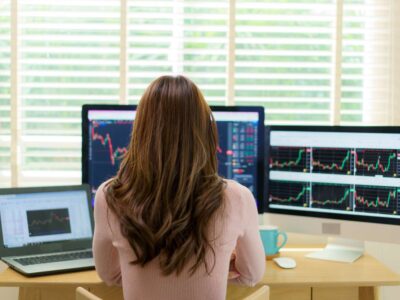
Intense Time Commitment: Day trading is a demanding full-time profession rather than a passive hobby. Traders must remain glued to their computer screens for hours, monitoring minute-by-minute candlestick charts, order flows, and market liquidity pools.
-
Rapid Execution and Discipline: Success requires lightning-fast decision-making and strict emotional control. Because trades are held for only minutes or a few hours, hesitation can quickly turn a profitable setup into a heavy loss.
-
Capital Utilization: Day traders often rely on leverage provided by derivatives platforms to amplify returns from small percentage moves, which simultaneously magnifies the risk of complete liquidation if a position moves against them.
Core Characteristics of Crypto Swing Trading
Swing trading occupies the middle ground between active day trading and long-term investing. Practitioners hold positions for several days, weeks, or occasionally months, aiming to capture larger price waves or medium-term trends across the digital asset market.
-
Flexible Time Management: Swing traders do not need to monitor the charts constantly. They typically analyze higher timeframes, such as the four-hour or daily charts, placing their trades and setting predefined target levels to let positions develop over time.
-
Reduced Stress and Fatigue: Because positions are not managed on a second-by-second basis, swing trading minimizes the psychological exhaustion and burnout frequently experienced by high-frequency day traders.
-
Focus on Macro Trends and Fundamentals: Swing trading relies heavily on identifying major support and resistance zones, trendlines, and overarching market sentiment shifts rather than reacting to momentary noise on the order book.
Comparing Risk Management and Capital Requirements
Risk management is the definitive factor that separates consistently profitable traders from those who blow up their accounts. Both day trading and swing trading require rigorous risk parameters, but the implementation strategies differ significantly.
-
Stop-Loss Placement: Day traders place tight stop-losses just beneath immediate local support levels, risking small fractions of their capital on high-frequency setups. Swing traders use wider stop-losses situated below major daily or weekly structural levels to survive routine market pullbacks.
-
Overnight Gap Risk: Swing traders face the unique hazard of holding positions overnight or over the weekend, where sudden regulatory announcements or macroeconomic shocks can trigger massive gaps in market pricing. Day traders completely eliminate this risk by flattening all positions before stepping away from their terminals.
-
Account Minimums: While many exchanges allow individuals to start trading with small deposits, day trading requires lower emotional overhead with modest capital, whereas swing trading benefits from sufficient capital depth to withstand normal multi-day price drawdowns without triggering margin calls.
Psychological Demands and Lifestyle Alignment
Choosing between these two methodologies ultimately comes down to personality traits, daily schedules, and psychological resilience. Not every individual possesses the temperament required for high-intensity chart monitoring.
-
The Adrenaline of Day Trading: Individuals who thrive under intense pressure, possess razor-sharp focus, and enjoy constant analytical engagement often gravitate toward day trading. It requires treating trading like a rigorous competitive sport.
-
The Patience of Swing Trading: Those with full-time careers, family responsibilities, or a preference for strategic patience find swing trading much more compatible with their daily routines. It values long-term planning and emotional detachment over rapid execution.
Frequently Asked Questions
Which trading style is more suitable for absolute beginners in crypto?
Swing trading is generally recommended for beginners because the slower pace allows learners to analyze market structures, study technical indicators, and make calculated decisions without the overwhelming pressure of second-by-second price action.
Do day traders pay higher fees than swing traders?
Yes, because day traders execute dozens of transactions every single day, cumulative trading fees, maker-taker commissions, and funding rates on leveraged positions can eat significantly into net profitability if not managed carefully.
Can you use technical indicators the same way for both styles?
While both styles use tools like moving averages and the relative strength index, day traders rely on lower timeframes like the one-minute or five-minute charts, whereas swing traders focus on daily and weekly charts for higher reliability.
How much starting capital is truly necessary for crypto day trading?
While cryptocurrency exchanges permit micro-deposits, effective day trading requires sufficient capital to absorb consecutive losing trades and cover exchange fees without risking essential living expenses.
Does swing trading eliminate the need to use stop-loss orders?
No, swing traders must utilize stop-loss orders to protect their portfolios from unexpected trend reversals, especially given the notorious volatility and unpredictable nature of digital asset markets.
Are tax obligations different for day traders versus swing traders?
Tax authorities generally evaluate cryptocurrency transactions based on the holding period and local tax laws, where short-term day trades are typically taxed at ordinary income rates, while longer swing trades may have different classifications depending on jurisdiction.